Uncategorised
UK–India Trade Agreement: What It Means for UK Traders – and How to Prepare Now
The UK and India are moving closer to finalising a Free Trade Agreement (FTA), and this could become one of the most commercially significant deals

Export controls and licensing rules exist to prevent restricted goods from reaching unauthorised destinations — and ignoring them carries serious consequences. When Steven Gates loaded eight thermal imaging rifle sights into packages labelled “low-value cameras” and sent them to Hong Kong, he may have thought he was being clever. Border Force thought otherwise.
In February 2026, Gates — a 47-year-old director from Wakefield — was sentenced to two years and one month in prison at Leeds Crown Court. The goods he tried to export were classified as military items under the UK Military List. He had no licence to export them. He also had evidence of ten further unlicensed shipments at his home.
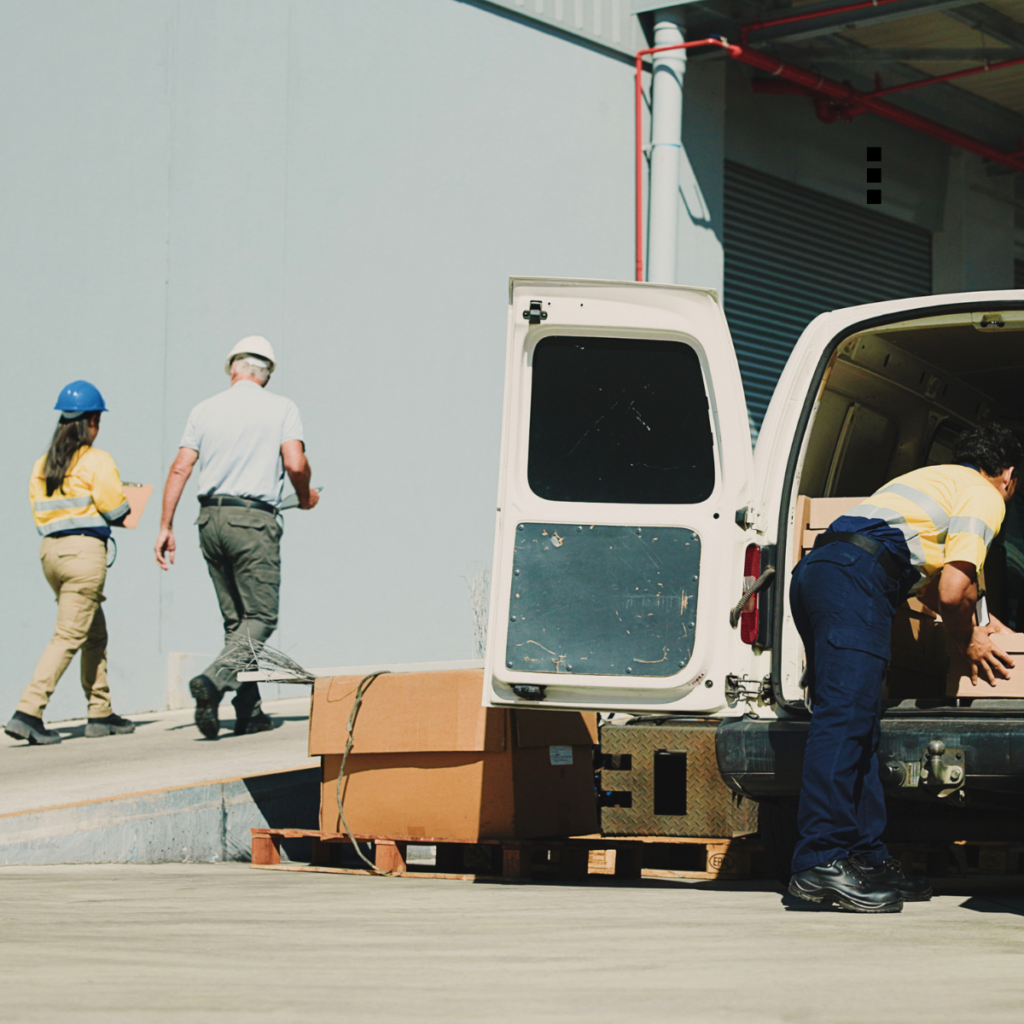
This case was published by HMRC as Notice to Exporters 2026/03. It is a matter of public record.
It would be easy to read this story and think it has nothing to do with your business. You’re not exporting military equipment. You’re not trying to deceive anyone.
But there are two aspects of this case that should give every UK exporter pause.
The first is the misdescription. Gates didn’t just export without a licence — he actively described controlled goods as something they weren’t to get them through. That is an extreme example of a much more common problem: exporters not accurately or fully declaring what they are shipping. Whether through ignorance or oversight, incorrect descriptions on export documentation are one of the most frequent compliance failures HMRC encounters. The consequences range from delays and penalties to, in serious cases, prosecution.
The second is the sharp increase in enforcement. HMRC carried out 51 criminal investigations in 2024 to 2025, up from just 5 in 2021 to 2022. That is a tenfold increase in three years. Export controls enforcement is no longer a low-priority activity. HMRC is actively looking.
Export controls are legal restrictions on what goods, software and technology can be sent overseas, to whom, and under what conditions. They exist to prevent items with military or strategic value ending up in the wrong hands.
Most people assume export controls only apply to defence contractors or arms manufacturers. They don’t.
The category that catches businesses off guard is dual-use goods — items that have legitimate civilian applications but could also be used for military or security purposes. This includes certain electronics, chemicals, optical equipment, software, and specialist machinery. If your goods appear on the UK Strategic Export Control List, you may need a licence before they can leave the country — regardless of whether you think of your business as having anything to do with defence.
The challenge is that the list is not always intuitive. A component that is entirely unremarkable in one context can be classified as controlled in another.
If you export goods and have never reviewed your position against the UK Strategic Export Control List, these are the three questions to start with:
If you are unsure about any of these, the time to find out is before your goods reach the border, not after.
HMRC operates a voluntary disclosure process for unlicensed exports of strategic or sanctioned goods. Outcomes can range from an educational visit or written warning through to a compound settlement. Voluntary disclosure is always a better position than being investigated. If you have concerns, seek specialist advice promptly.
Export controls is one of the more complex areas of international trade compliance, and it is also one of the most consequential to get wrong. The combination of an increasingly active HMRC enforcement team and a rapidly shifting geopolitical landscape — with new sanctions regimes and embargoes appearing regularly — means this is not an area where businesses can afford to be complacent.
On 28 April we are running An Introduction to Export Controls and Licensing — a practical half-morning course covering how to identify whether your goods are controlled, how to navigate the licensing process, and how to stay compliant. It is designed for anyone in an export role who wants to understand this area properly, not just hope for the best.
If you would like to discuss your specific situation before booking, or if you think your business may benefit from a compliance healthcheck, get in touch with our team directly at team@exporter-services.co.uk.
The UK and India are moving closer to finalising a Free Trade Agreement (FTA), and this could become one of the most commercially significant deals
A real-world example of how an honest mistake triggered a Swiss customs investigation — and what UK manufacturers need to know to avoid the same